The Database
All hypoallergenic cat breeds
Grouped by strength of evidence — not by popularity. Tier 1 has peer-reviewed Fel d 1 data. Tier 2 is widely listed as allergy-friendly on weaker grounds. Click any card for the full review.
Filter the directory
Showing 11 of 11
Evidence tier
Coat length
Size
Evidence, household & budget
Tier 1 — Research-backed
Tier 1(3 breeds)Supported by published Fel d 1 research and long-standing consensus across allergy clinics and breed references. The strongest signal currently available — though still no guarantee for any individual cat.
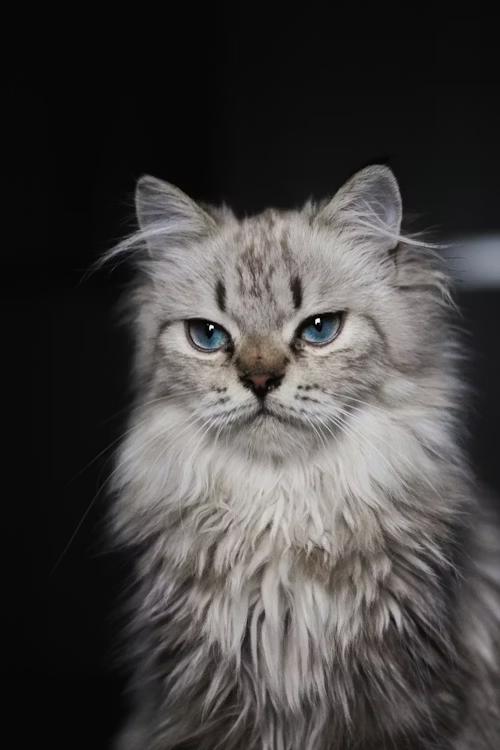
Siberian Cat
Tier 1If you're allergic to cats but desperate to share your home with one, the Siberian is where most people start — and where many people finally stop searching. Multiple studies show Siberians produce significantly less Fel d 1, the protein that triggers most cat allergies. Their long, triple-layered coat is counterintuitively part of why they're easier on allergies: the longer guard hairs trap dander before it sheds into your air.
Read the full review →
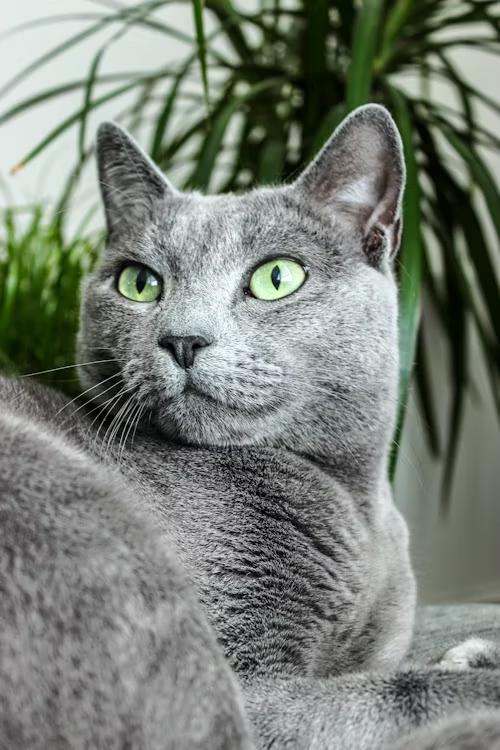
Russian Blue
Tier 1The thinking person's hypoallergenic cat. Russian Blues are quiet, reserved, and reportedly produce less Fel d 1 than average — a combination that suits introverted households and mild-to-moderate allergy sufferers especially well.
Read the full review →
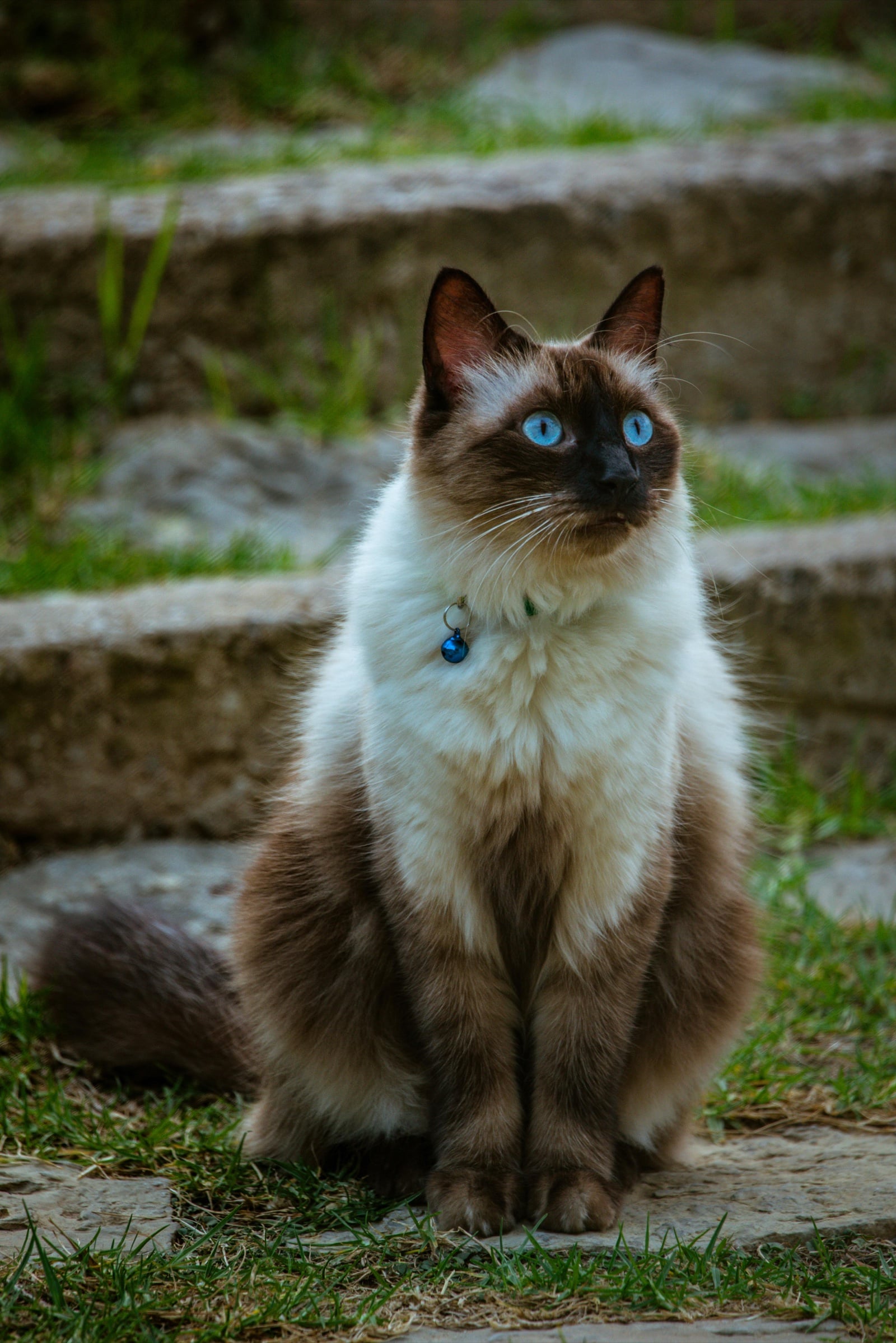
Balinese
Tier 1A long-haired Siamese in coat and a Siamese in everything else — talkative, intelligent, and deeply social. Balinese are commonly listed alongside Siberian as the most reliably hypoallergenic breeds.
Read the full review →
Tier 2 — Low-shed / Anecdotal
Tier 2(8 breeds)Commonly listed as “hypoallergenic” because they shed less. Less shedding means less dander loose in your home, which helps some people — but no Fel d 1 study confirms these breeds produce less allergen at the source.
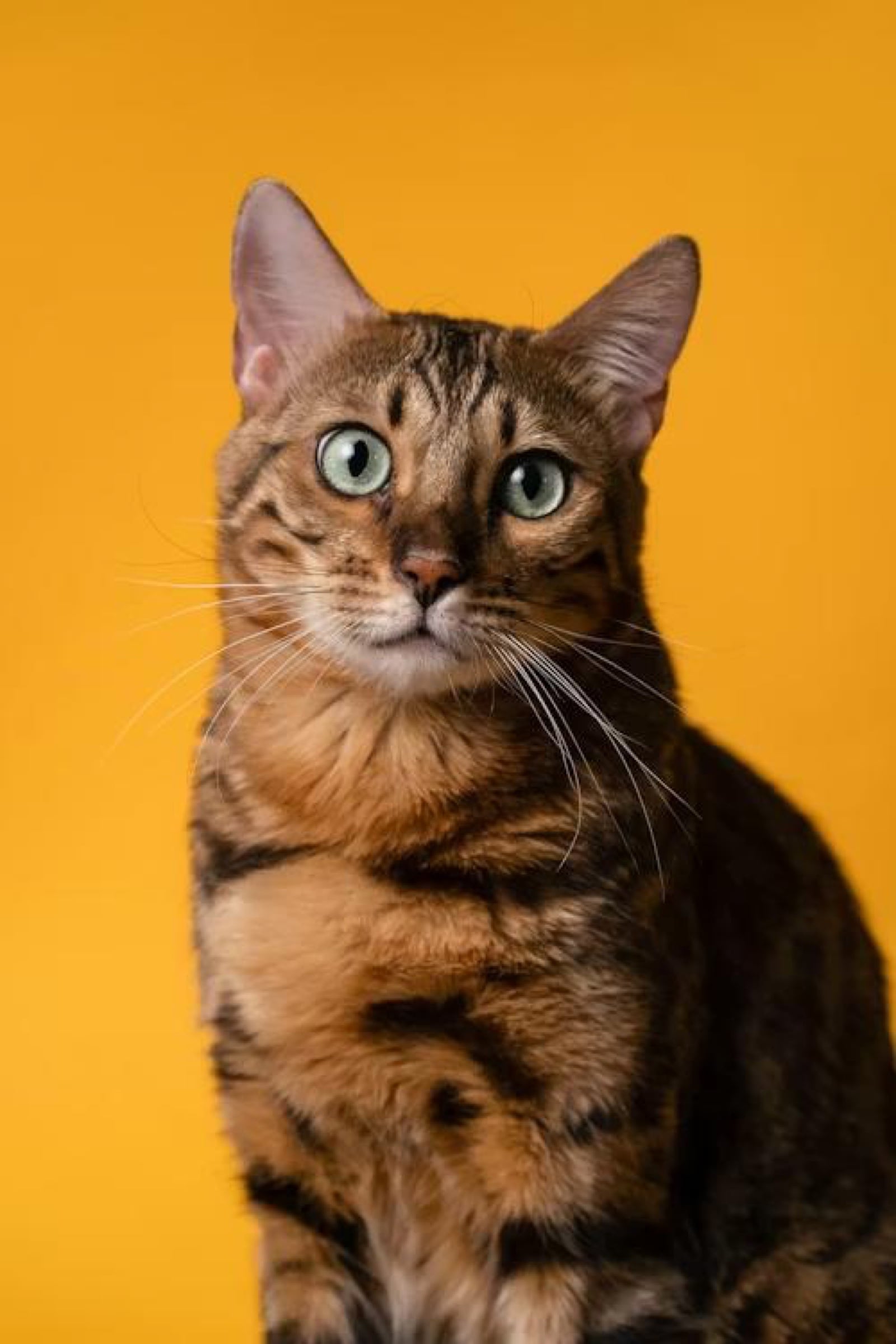
Bengal
Tier 2The Bengal is the closest most allergic households will get to keeping a small leopard. Their short, pelted coat is uniquely low-shedding for a cat this size, and many allergic owners report tolerating Bengals better than random domestic cats. That said: no breed-specific Fel d 1 study has ever measured Bengals, and reputable allergy researchers consistently warn that the popular claim Bengals "produce less Fel d 1" is unproven. We list them because the body of allergic-household experience is genuinely large and useful — but the science is anecdotal, not measured.
Read the full review →
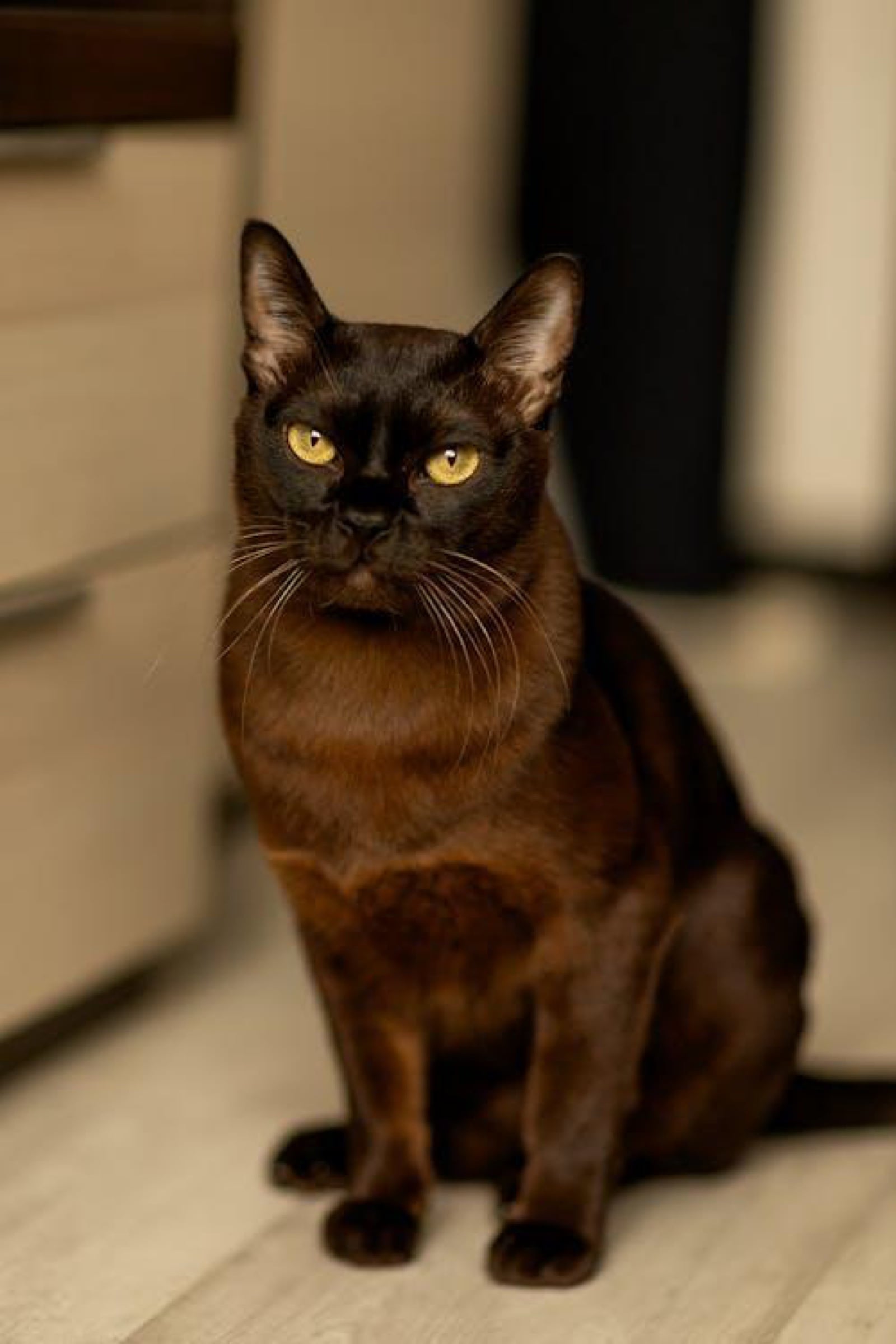
Burmese
Tier 2The Burmese is one of the more underrated picks for allergic households on the major hypoallergenic shortlists — denser-bodied than a Siamese, calmer than an Oriental Shorthair, with a short satin coat that lies very flat against the body and sheds remarkably little. Owners report fewer allergic reactions than with typical domestic cats, attributed mostly to the low dander load that comes with minimal shedding. There is no per-breed Fel d 1 study. What the breed has instead is a meaningfully active r/burmesecats community of allergic owners sharing concrete coping strategies — bathing schedules, bedroom rules, HEPA setups.
Read the full review →
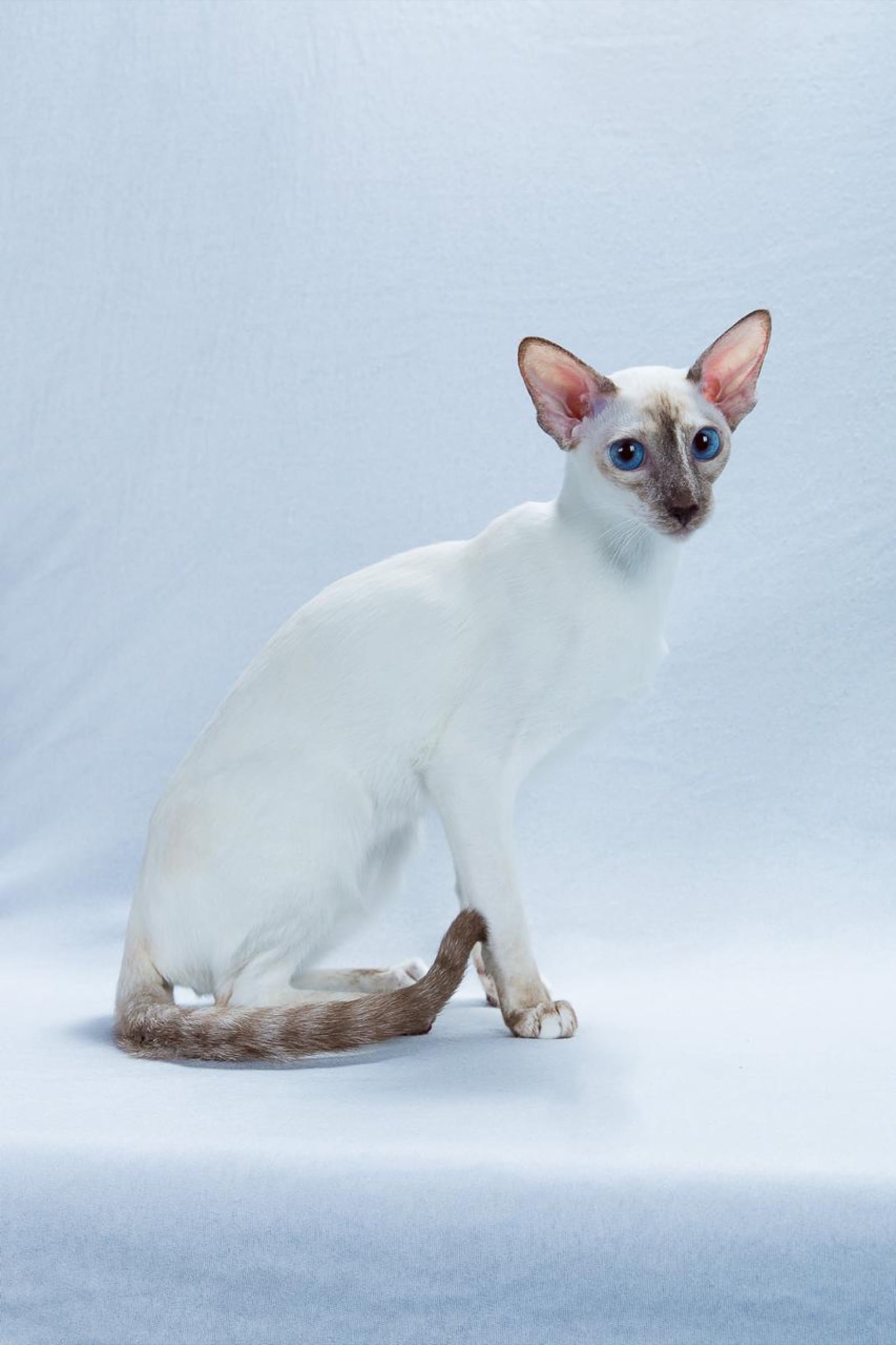
Colorpoint Shorthair
Tier 2The Colorpoint Shorthair is, in the U.S. CFA registry, the Siamese — except in colours and patterns the Siamese isn't allowed to be (red point, cream point, lynx point, tortie point). Same body, same single coat, same voice. Outside the U.S., this cat is just called 'Siamese' and the distinction doesn't exist. We list it as a separate breed because that's how it's registered in the largest U.S. cat registry, and because allergy-shopping readers do encounter it on hypoallergenic listicles. The allergy profile is identical to the Siamese: single-coat, low-shedding, no breed-specific Fel d 1 study, an environmental-load benefit rather than a measured reduction.
Read the full review →
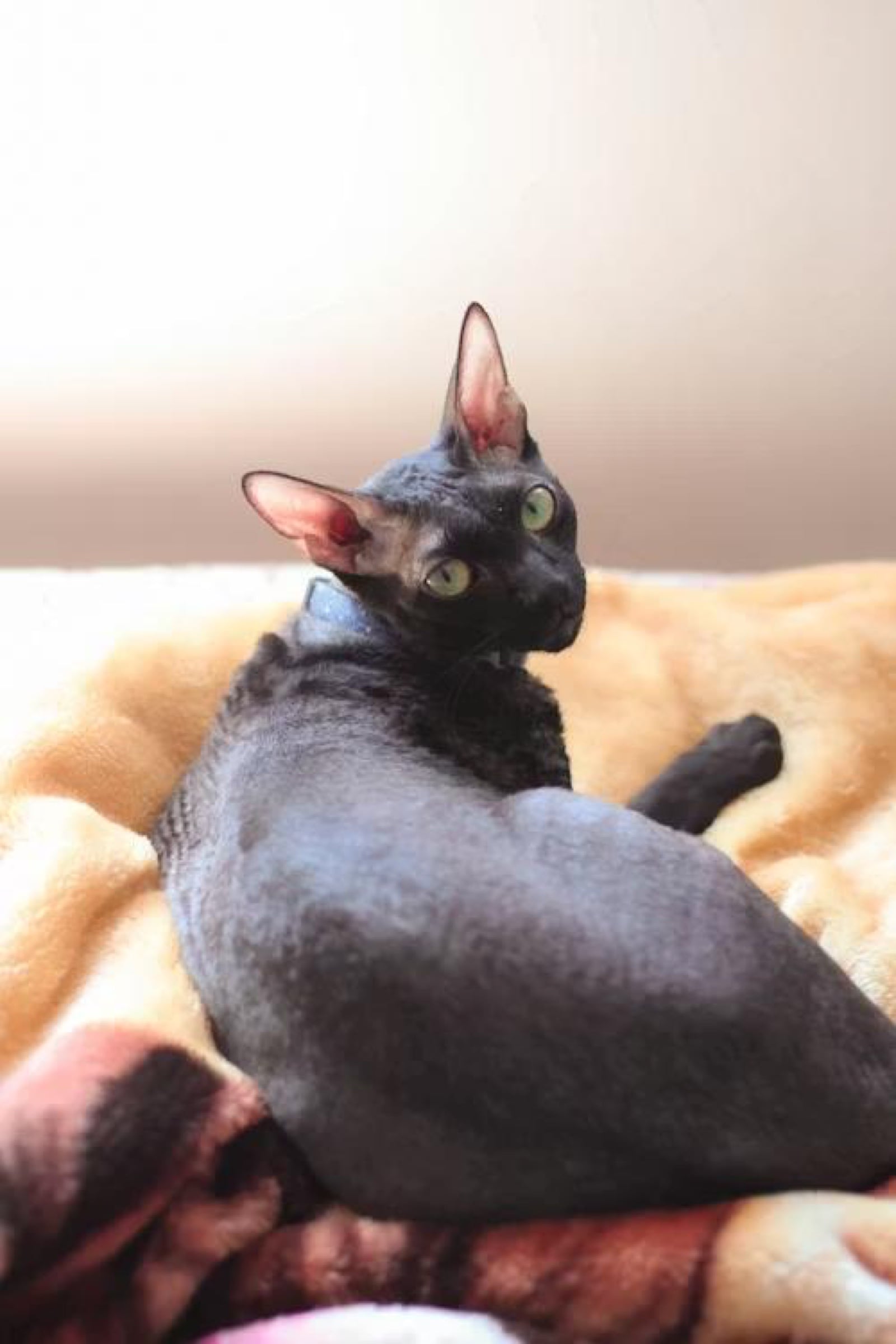
Cornish Rex
Tier 2The Cornish Rex is the closest a cat coat gets to a poodle's: tight rows of waves, no guard hairs, only the soft down layer underneath. It's the lowest-shedding coat among the breeds on this site, which is why allergic households consistently report fewer symptoms with a Cornish than with most cats. The science is still 'less dander reaches your couch,' not 'less allergen produced.' Practically, they're greyhound-shaped, athletic, intensely social cats who climb everything and seek body heat — they'll sleep under your duvet, not on top of it.
Read the full review →
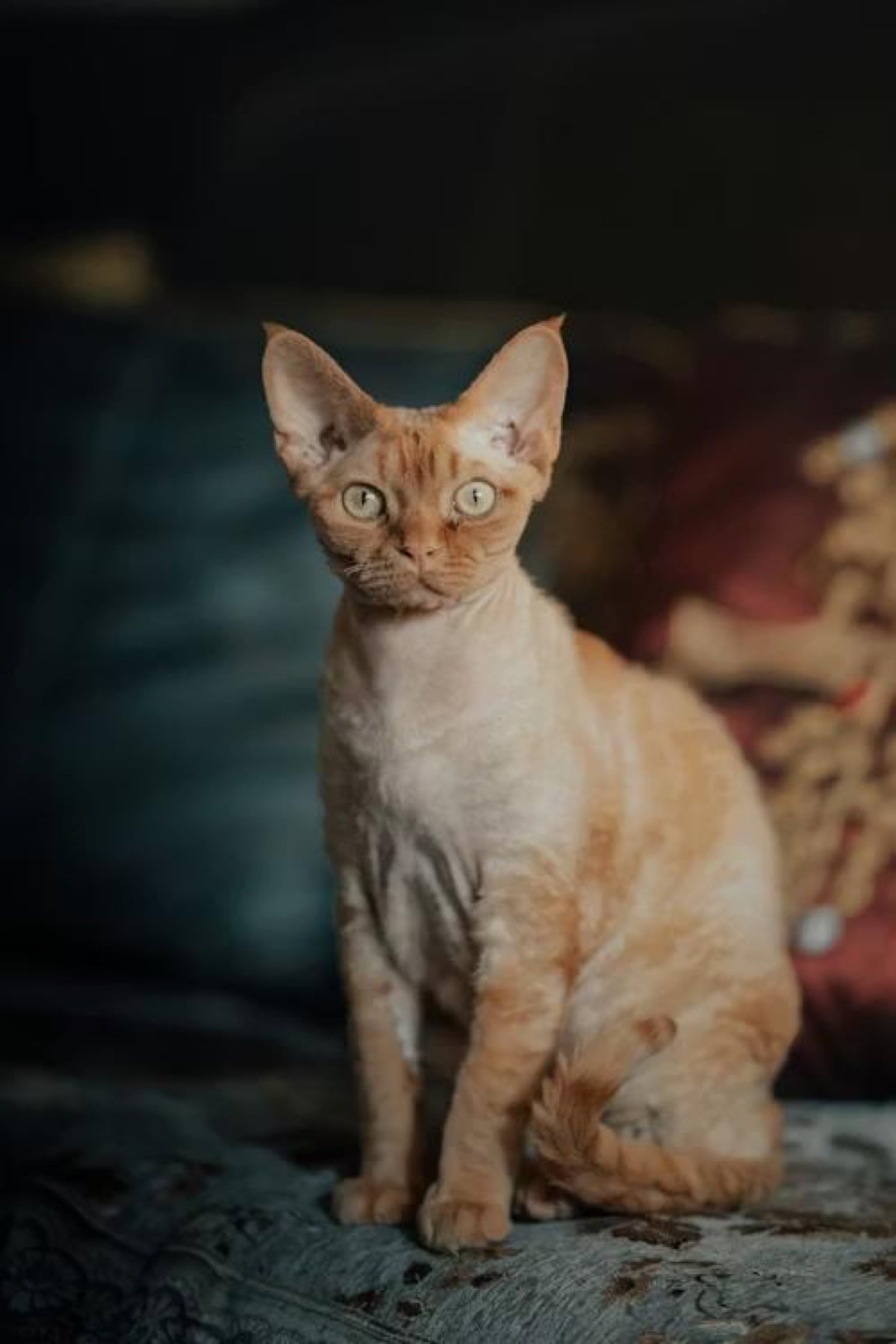
Devon Rex
Tier 2The Devon Rex looks like a pixie that got into the espresso machine — wedge face, oversized ears, big eyes, and a thin curly coat that barely qualifies as fur. That sparse coat is the reason they're on hypoallergenic shortlists: they shed very little, which means less Fel d 1-coated dander on your couch. The trade-off is that Devons are intensely people-attached, monkey-like climbers who will sleep on your face. They're not for households who want a cat that minds its own business.
Read the full review →
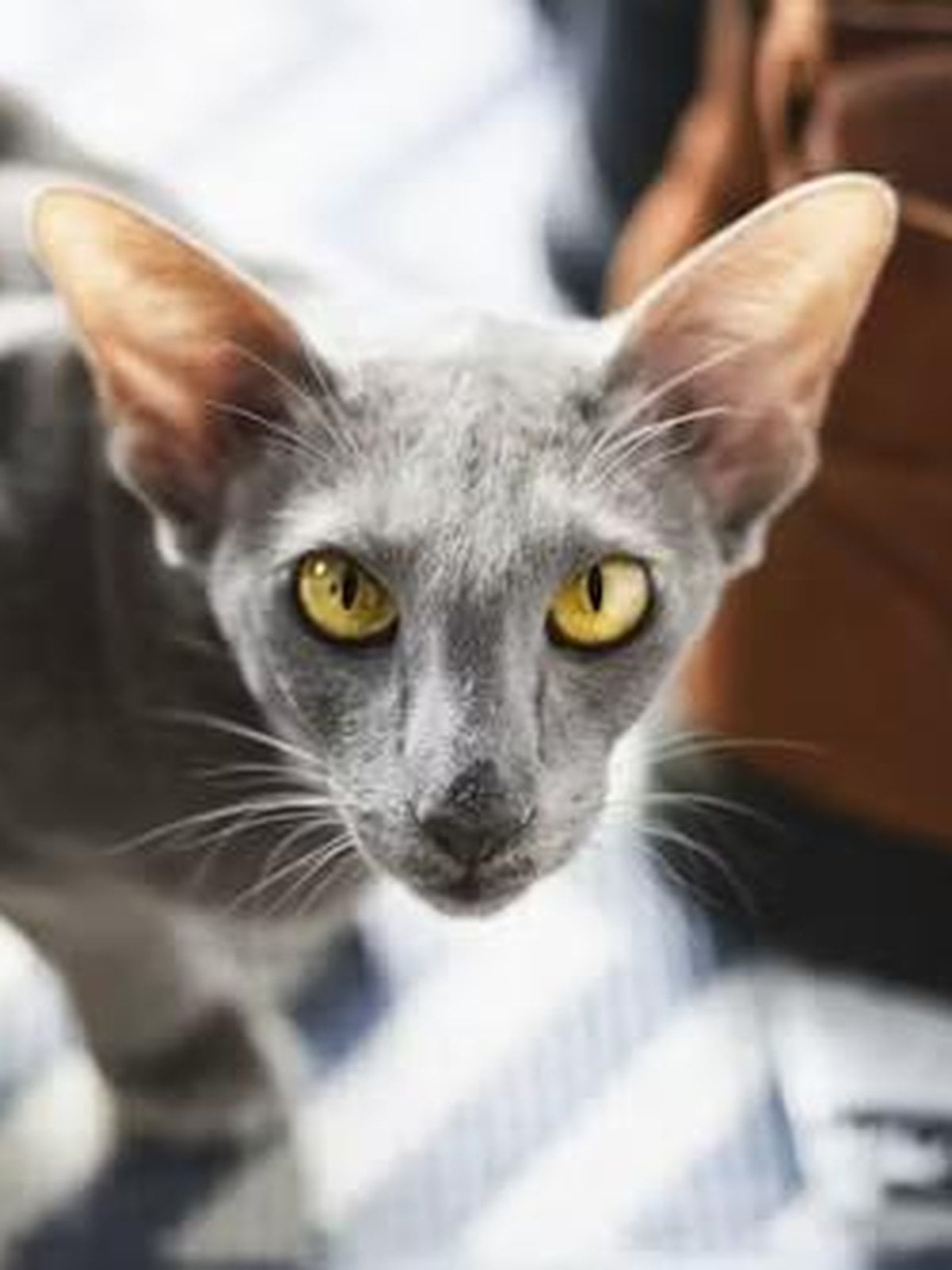
Oriental Shorthair
Tier 2The Oriental Shorthair is, structurally, a Siamese in every colour the Siamese is not allowed to be — same body, same single coat, same loud voice, same need-to-be-near-you energy. Owners report they shed extremely little, which keeps allergen-coated dander out of your environment. Like every other Tier 2 breed on this site, that's an environmental-load story, not a per-breed Fel d 1 study. The r/orientalshorthair subreddit is unusually honest about this: most threads will tell prospective owners directly that the cat is not hypoallergenic, just low-shedding. Listen to them.
Read the full review →
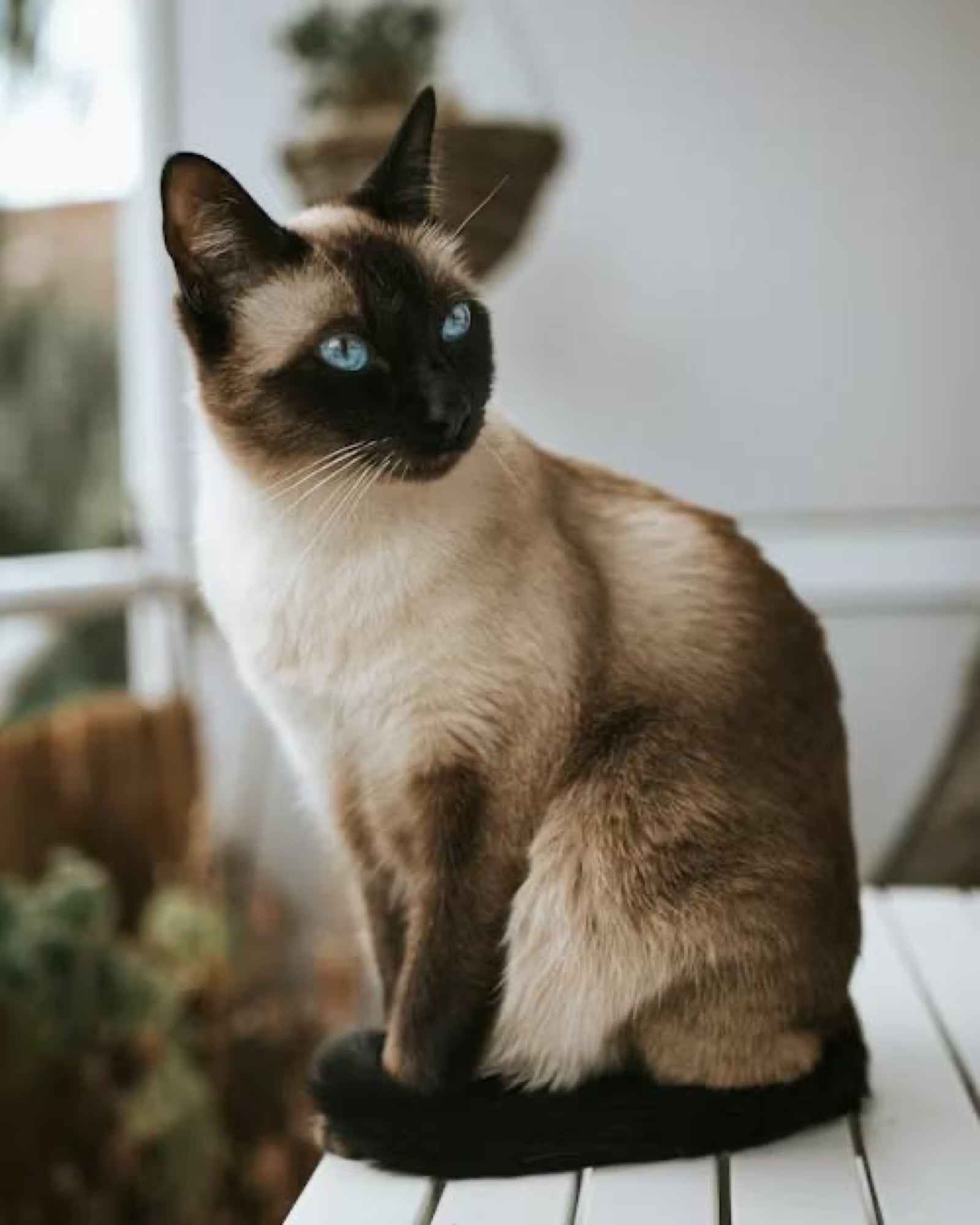
Siamese
Tier 2The Siamese has been on hypoallergenic shortlists for decades, and the reason is structural: they have a single coat — no woolly undercoat, no double-shed cycle — which means less hair (and less Fel d 1-coated dander) loose in your home. That said, no breed-specific Fel d 1 study has confirmed lower production at the source. Many allergic owners do better with Siamese than with random domestic shorthairs; many others still react. They're also one of the most vocal, demanding, people-attached cats on this list. If you want a cat that follows you to the bathroom and yells at closed doors, the Siamese delivers.
Read the full review →
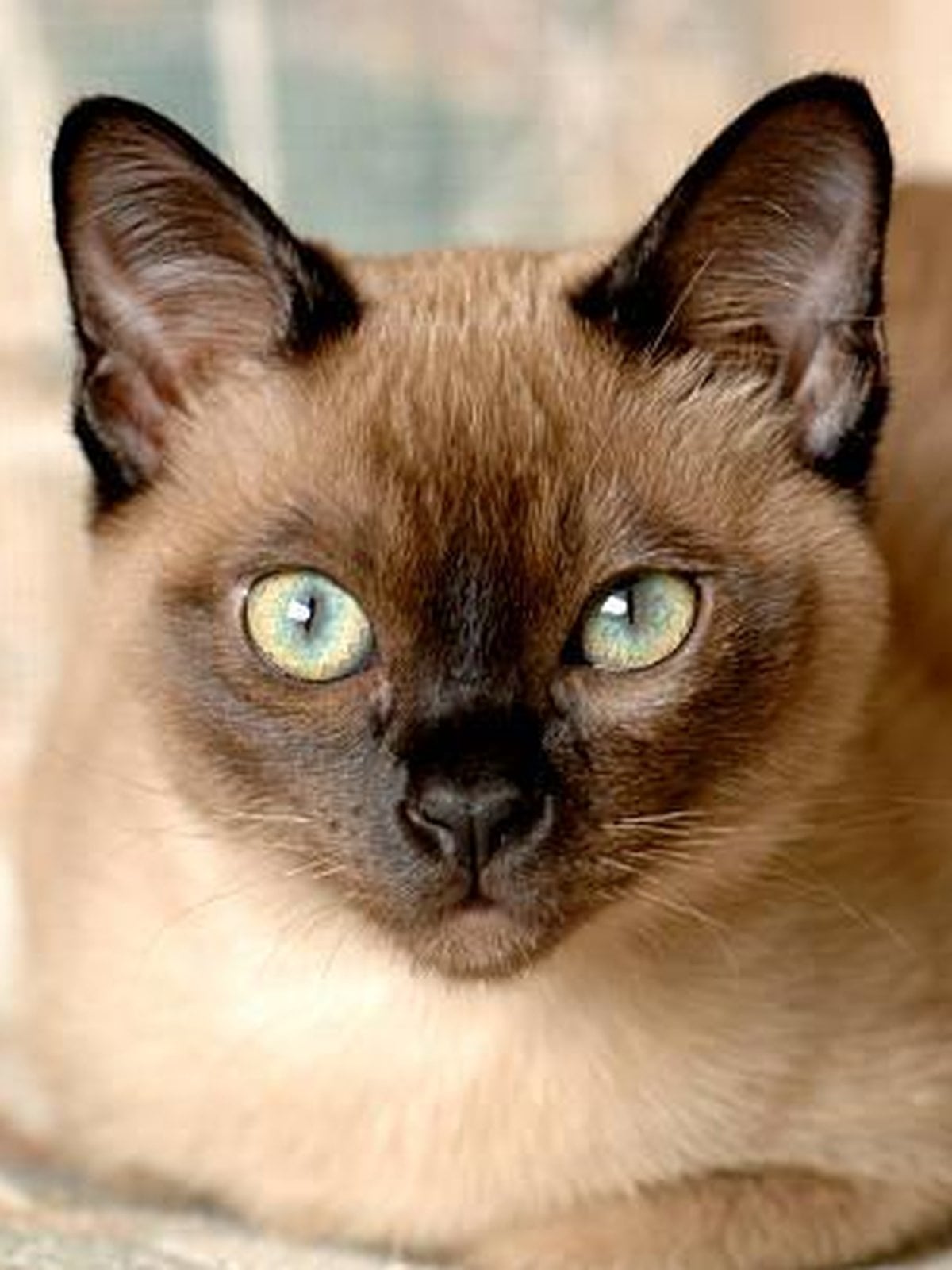
Tonkinese
Tier 2The Tonkinese is, biologically, what you get when you cross a Siamese with a Burmese — and behaviourally, that's exactly the cat you end up with. Less hoarse than a Siamese, more active than a Burmese, with a short mink-like single coat that sheds very little. Tonks are on most hypoallergenic shortlists because they inherit the low-shedding Siamese/Burmese coat structure, but as with every other Tier 2 breed on this site, the supporting evidence is structural (less hair = less dander in your home) rather than measured (no per-breed Fel d 1 study). Where Tonks differ from their parent breeds: they're often called the most well-adjusted of the Siamese family — chatty without being loud, attached without being clingy, energetic without being destructive.
Read the full review →