HypoallergenicCat

short hair · Small-Medium · Origin: Cornwall, England (1950)

Cornish Rex

Reviewed by HypoallergenicCat Editors · Updated May 2026 · 8 min read

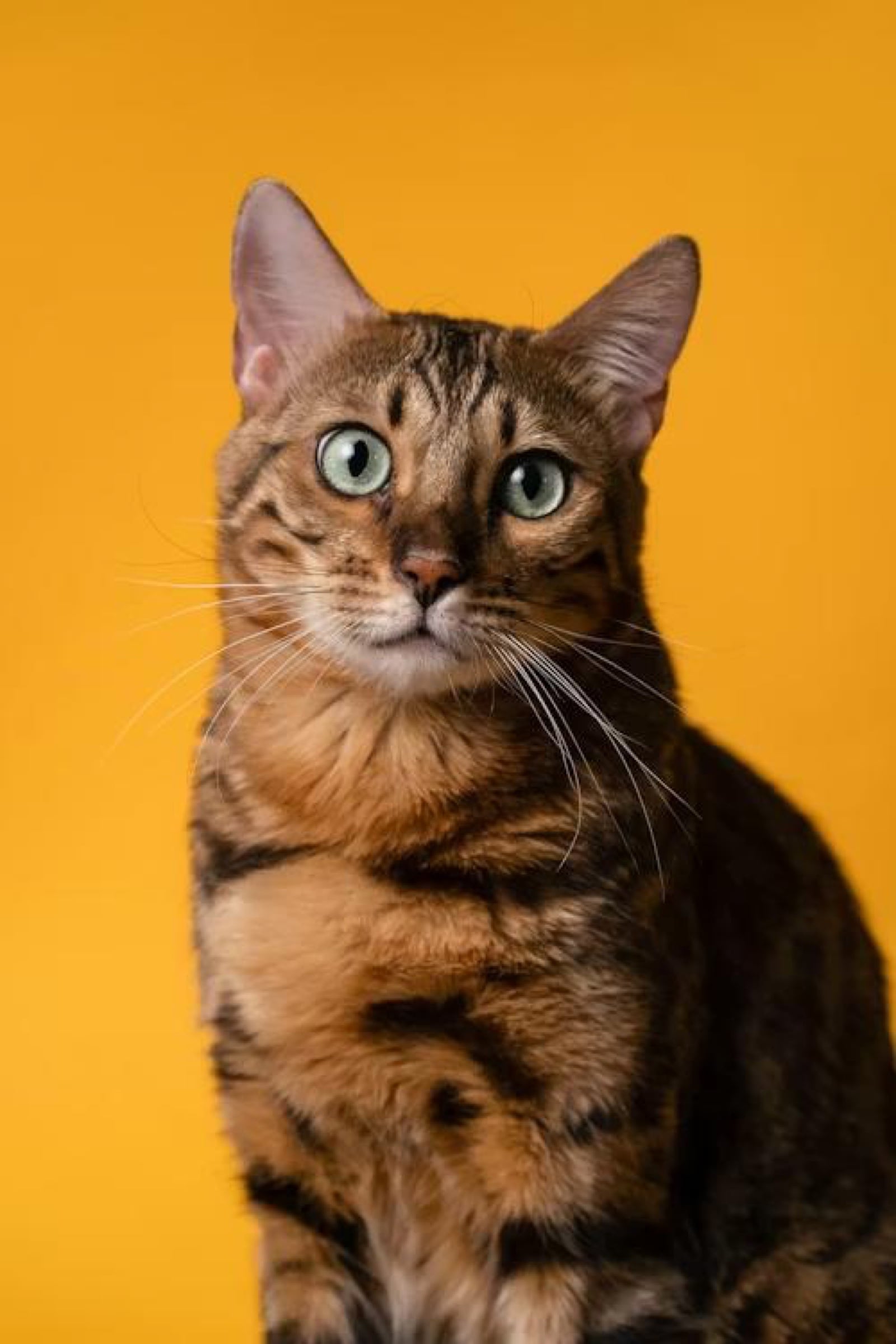
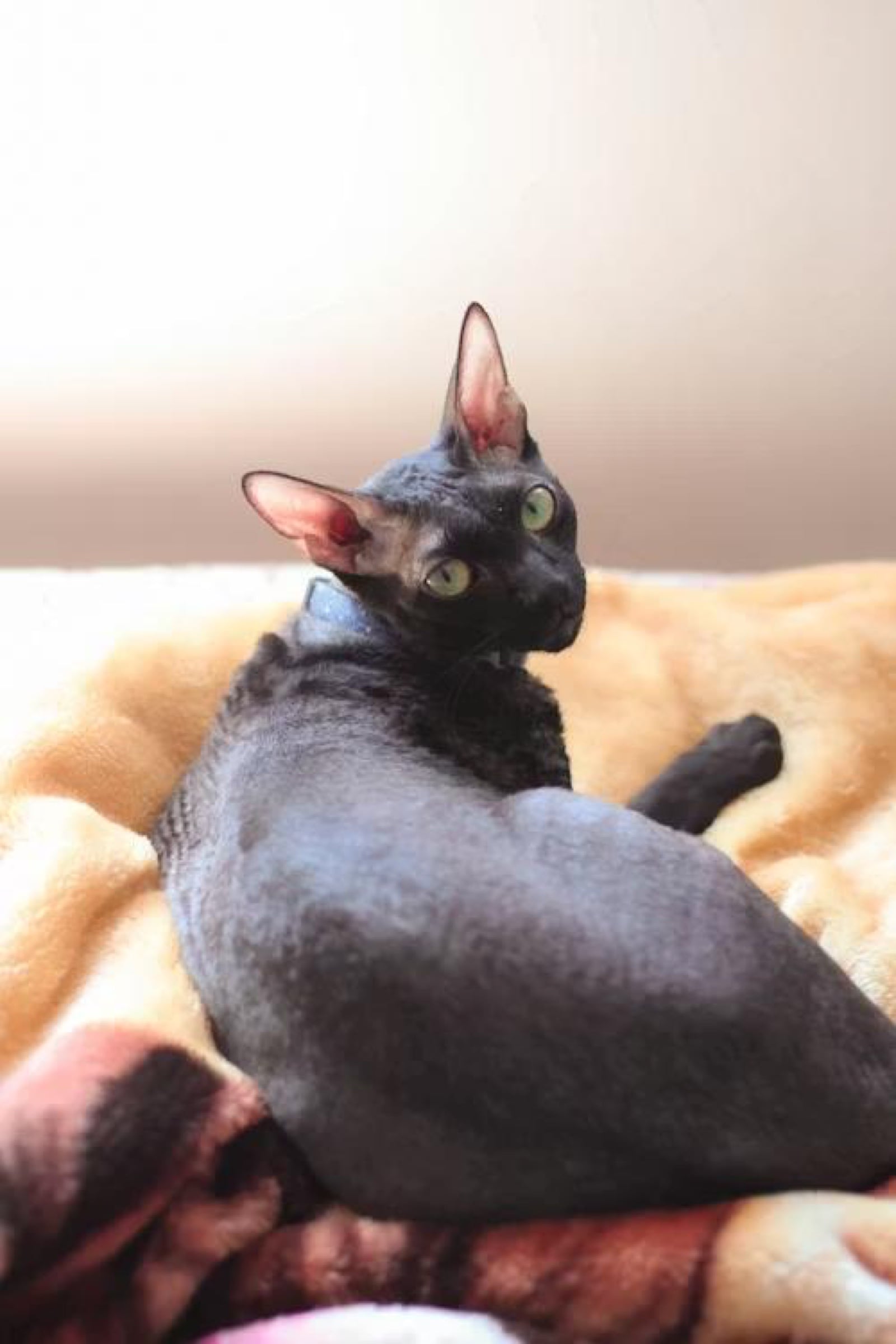
The Cornish Rex is the closest a cat coat gets to a poodle's: tight rows of waves, no guard hairs, only the soft down layer underneath. It's the lowest-shedding coat among the breeds on this site, which is why allergic households consistently report fewer symptoms with a Cornish than with most cats. The science is still 'less dander reaches your couch,' not 'less allergen produced.' Practically, they're greyhound-shaped, athletic, intensely social cats who climb everything and seek body heat — they'll sleep under your duvet, not on top of it.

At a glance

Cornish Rex — by the numbers

Allergen level

4 / 10

Grooming needs

2 / 10

Energy level

8 / 10

Trainability

7 / 10

Price range

$1,200 – $2,500 USD

Low SheddingHigh EnergyAffectionateClimber: High

The science

Why this breed is easier on allergies

Most cats have three coat layers: guard hairs (outermost), awn hairs, and down hairs (innermost, soft). The Cornish Rex has only the down layer, mutated into tight waves. Less hair released into the home means less Fel d 1-coated dander on furniture and in the air. The breed still produces the allergen normally in saliva and sebaceous glands; the benefit is reduced environmental load, not lower source-level production.

The 2014 Vienna study on hypoallergenic cat breeds found that single- and reduced-coat breeds, as a group, deposit measurably less Fel d 1 onto their fur compared with normal-coated cats. The Cornish Rex was not individually measured, but its coat structure (down-only, no guard or awn hairs) places it among the lowest shedders in domestic cats.
https://pmc.ncbi.nlm.nih.gov/articles/PMC4072467/

From the community

What real owners actually say

u/rex_allergy_owner · r/cornishrex · 2024

Yes! It's the protein they produce called Fel d1. It's why I started looking into hypoallergenic cats since they produce less of it. I was also reacting much less to my Cornish than to my friends' cats.
View original on Reddit

u/cornish_and_devon_owner · r/cornishrex · 2021

The Cornish and the Devon have been the lowest allergy [breeds I've lived with]. Most friends who would interact with them had little to no reaction as well.
View original on Reddit

u/honest_rex_owner · r/cornishrex · 2023

Cornish Rex hair is finer and shorter than Devon. They do not shed as much in my opinion (I've had both types of cats). My husband had allergies and they sleep in our bed.
View original on Reddit

Living with one

Care, personality, and what to expect

Grooming

Almost zero shedding to brush, but the down-only coat produces more skin oil than typical cats — gentle bathing every 3-4 weeks keeps both coat and (importantly) allergen load down. Most Cornish owners report their cats tolerate water surprisingly well if introduced young.

Personality

Athletic and clownish. Cornish Rex cats are often described as 'cats designed by people who like dogs' — they fetch, follow you room to room, and have an unusually high prey drive for an indoor cat. They are intensely social and prone to anxiety if left alone for long workdays.

Health

Generally healthy with a 12-15 year lifespan. Watch for hypertrophic cardiomyopathy (HCM) — reputable breeders test breeding parents. The thin coat means they get cold easily; expect them to seek body heat (your lap, your duvet, sunny windowsills). In winter a heated pet bed is genuinely useful, not pampering.

Living space

Apartment-friendly but require vertical territory and serious daily play. Cornish Rex do badly in households where the cat is alone all day; adopt two, or pair with another social cat.

Recommended products

What we'd buy for a Cornish Rex owner

HypoallergenicCat is reader-supported. We earn a small commission from purchases made through these links — at no extra cost to you.

Cat food

Purina Pro Plan LiveClear

The only cat food clinically proven to reduce allergens in cat hair and dander by an average of 47% in 3 weeks.

$35 / 7 lb bag

Affiliate link pending

Air purifier

Levoit Core 400S Air Purifier

True HEPA filter that captures 99.97% of airborne particles including dander, dust, and pollen. Quiet enough for the bedroom.

$219 / Up to 403 sq ft

Affiliate link pending

Allergy care

Allerpet/C Cat Dander Remover

Wipe-on solution that binds to dander. Apply weekly to cut allergen exposure noticeably, no bath needed.

$18 / 12 oz

Affiliate link pending

Where to adopt

Finding a Cornish Rex

We recommend reputable breeders who allow in-person visits and rescue organizations. Avoid kitten mills and breeders who won't let you meet the parents.

FAQ

Common questions

Are Cornish Rex cats hypoallergenic?

No cat is fully hypoallergenic. The Cornish Rex's advantage is structural: its coat has only the soft down layer (no guard or awn hairs), so it sheds dramatically less than typical cats. Less shedding means less Fel d 1-coated dander accumulates in your home. Many allergic owners do well with a Cornish, but no published study has measured per-breed Fel d 1 production. Always do an in-person visit before committing.

What's the difference between Cornish Rex and Devon Rex?

Both are curly-coated, low-shedding 'rex' breeds, but they arose from completely separate genetic mutations and look quite different. Cornish Rex: greyhound-shaped, tight Marcel waves, finer coat, more athletic. Devon Rex: pixie-faced with oversized ears, looser waves, sparser coat, more dog-like personality. Cornish tends to be slightly less allergenic in owner reports because the coat is even thinner.

Do Cornish Rex cats really feel warm to the touch?

Yes — because their coat is so thin, you feel their skin temperature directly. Most cats run about 38.5-39.2°C (101-102.5°F), and on a Cornish that warmth is right at the surface. This is why they seek out body heat constantly: sunny patches, lap, under blankets.

How much does a Cornish Rex cost?

From a reputable CFA/TICA breeder, expect $1,200-$2,500 for a pet-quality kitten. Adult rescues occasionally appear through Specialty Purebred Cat Rescue for $300-$600. Avoid 'breeders' under $800 — the breed has known cardiac risks (HCM) that require genetic testing reputable breeders should not skip.

Not sure if this is your breed?

Take the 5-question quiz.

Find my match →

← back to all breeds