u/eclectic_collector · r/bengalcats · 2024
“They aren't hypoallergenic, but I can say that in my experience they trigger allergies less than most other breeds. I have read it's due to them having less Fel d 1.”View original on Reddit
short hair · Medium-Large · Origin: United States (1980s)
Reviewed by HypoallergenicCats Editors · Updated May 2026 · 8 min read
The Bengal is the closest most allergic households will get to keeping a small leopard. Their short, pelted coat is uniquely low-shedding for a cat this size, and many allergic owners report tolerating Bengals better than random domestic cats. That said: no breed-specific Fel d 1 study has ever measured Bengals, and reputable allergy researchers consistently warn that the popular claim Bengals "produce less Fel d 1" is unproven. We list them because the body of allergic-household experience is genuinely large and useful — but the science is anecdotal, not measured.
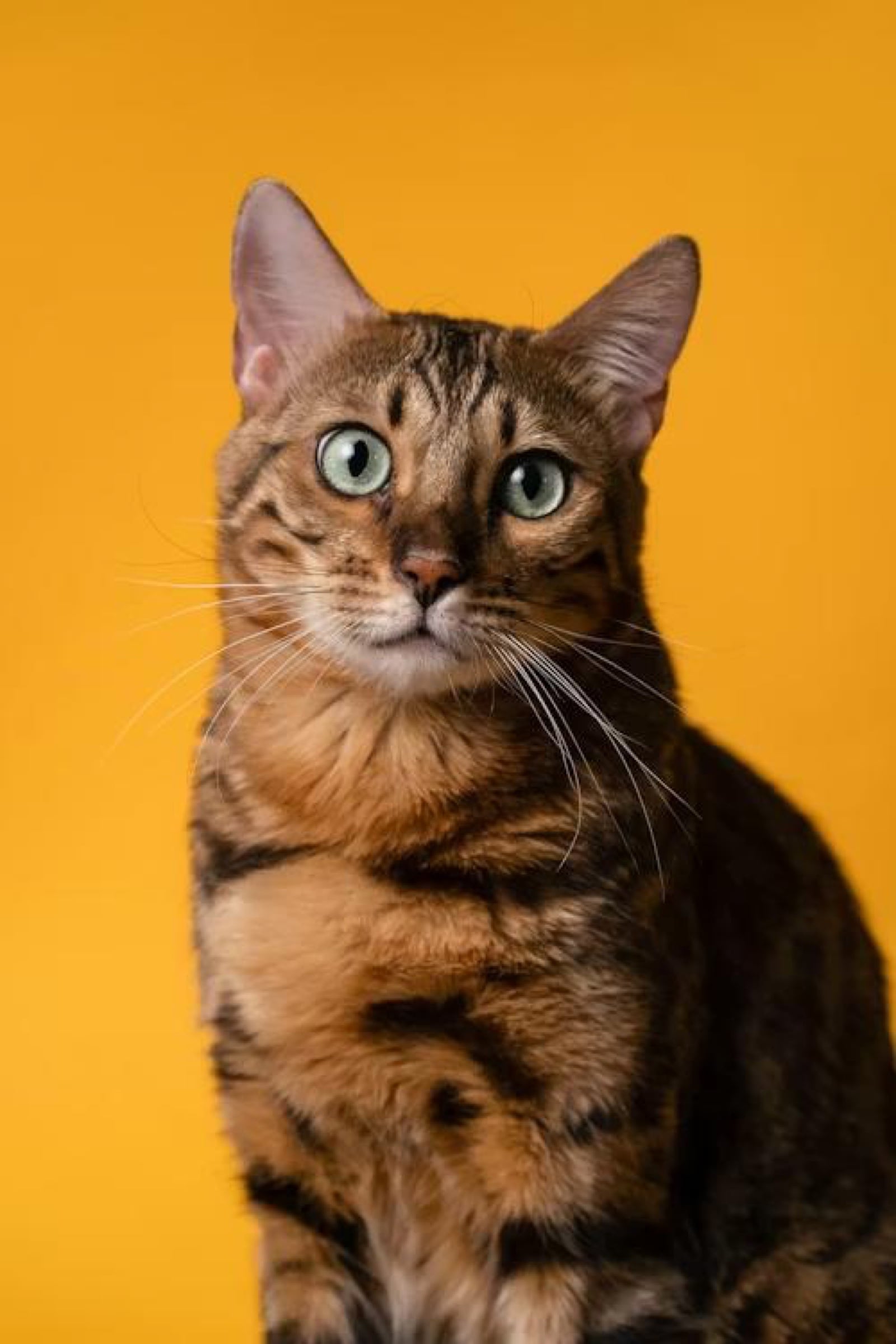
At a glance
Bengal — by the numbers
Allergen signal
Anecdotal
Low-shedding
Less hair shed = less dander loose in your home. No measured Fel d 1 data for this breed.
Grooming needs
3 / 10
Energy level
9 / 10
Trainability
7 / 10
Price range
$1,500 – $3,500 USD
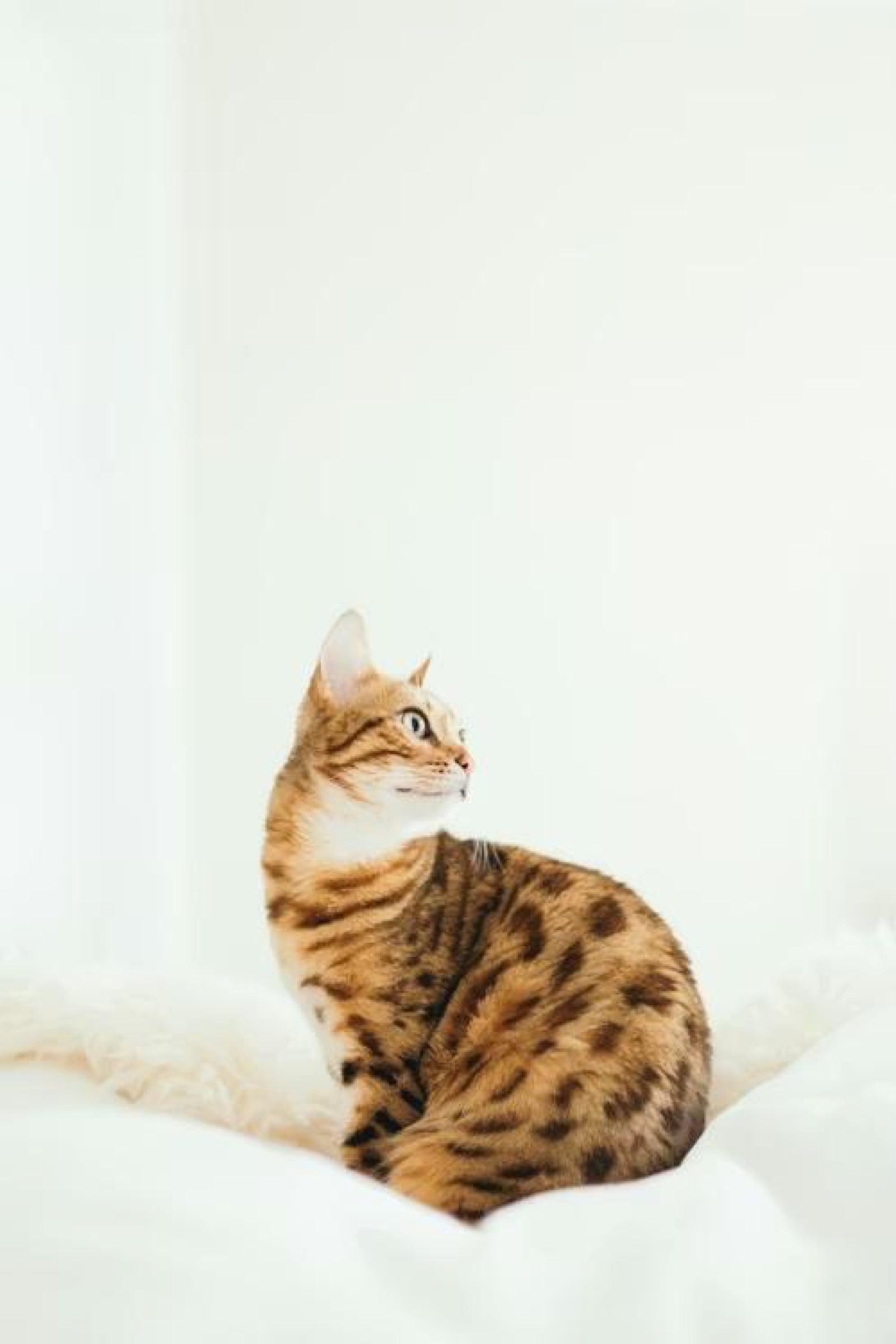
Editorial portraits
The science
Cat allergies are driven by Fel d 1, a glycoprotein produced in salivary and sebaceous glands and spread across the fur during grooming. Bengals have a short, pelted coat that sheds less than typical domestic cats, which means less allergen-coated dander accumulates in the home — an environmental-load benefit, not a source-level reduction. The repeated breeder claim that Bengals produce less Fel d 1 at the source is not backed by any breed-specific published study we could find.
The most-cited paper in this area sampled six normal cats and eight "hypoallergenic" cats and confirmed that lower-allergen breeds, as a group, do secrete less Fel d 1 onto the fur. The study did not specify which breeds it sampled and did not single out Bengals, so any claim of Bengal-specific reduction remains anecdotal.
From the community
u/eclectic_collector · r/bengalcats · 2024
“They aren't hypoallergenic, but I can say that in my experience they trigger allergies less than most other breeds. I have read it's due to them having less Fel d 1.”View original on Reddit
u/anonymous_bengal_owner · r/bengalcats · 2018
“My husband has a mild allergy to most cats and doesn't seem affected by our Bengals at all. Our daughter sometimes gets very red swollen eyes — so it varies a lot person to person.”View original on Reddit
u/cat_allergic_dad · r/cats · 2023
“Bengals aren't hypoallergenic, despite shady breeders trying to claim they are. There's a claim that they tend to have less of the Fel d 1 protein — visit before you buy.”View original on Reddit
Living with one
Bengals are unusually low-maintenance for grooming — their short, pelted coat needs nothing more than an occasional rubber-curry brush. A weekly wipe-down with a damp microfibre cloth removes loose dander and is a meaningful win for allergic households.
Highly intelligent and physically demanding. Bengals learn to open cabinets, turn on faucets, and play fetch. They bond hard to one or two humans and get noisy when bored. They are not lap cats by default. Plan for at least an hour of active play per day.
Generally robust with a 12-16 year lifespan. Watch for hypertrophic cardiomyopathy (HCM) and Bengal-specific PK deficiency; reputable breeders screen for both. Avoid early-generation (F1-F3) hybrids — they often have health and behaviour issues unsuitable for first-time owners.
Not an apartment cat unless you give serious vertical territory and structured play. Cat wheels (Maclaw, One Fast Cat) are a near-universal Bengal-owner purchase. Some U.S. cities (NYC, Honolulu) restrict or ban Bengals — check local laws before adopting.
Recommended products
HypoallergenicCats is reader-supported. We earn a small commission from purchases made through these links — at no extra cost to you.
food
The only cat food clinically proven to reduce allergens in cat hair and dander by an average of 47% in 3 weeks.
$35 / 7 lb bag
Read our review →air-purifier
True HEPA filter that captures 99.97% of airborne particles including dander, dust, and pollen. Quiet enough for the bedroom.
$219 / Up to 403 sq ft
Read our review →allergy-care
Wipe-on solution that binds to dander. Apply weekly to cut allergen exposure noticeably, no bath needed.
$18 / 12 oz
Read our review →Where to adopt
We recommend reputable breeders who allow in-person visits and rescue organizations. Avoid kitten mills and breeders who won't let you meet the parents.
FAQ
No — and no cat is, strictly. Bengals are widely reported by allergic owners to trigger weaker reactions, likely because their short pelted coat sheds less and so puts less Fel d 1-coated dander into your home. The popular claim that Bengals produce less of the allergen at the source has not been confirmed by any breed-specific study we could find. Treat reduced reactivity as plausible-but-anecdotal; always do a multi-hour in-person visit before committing.
More than most people realise. Plan for 60-90 minutes of active play per day — wand toys, fetch, climbing structures, food puzzles. A bored Bengal becomes a destructive Bengal. Two Bengals together is often easier than one alone, because they exercise each other.
In most of the U.S. and Europe, fourth-generation (F4) and later Bengals are legal as standard domestic cats. New York City, Hawaii, Seattle, and several Australian states have restrictions on early-generation hybrids. Check your local jurisdiction before adopting; reputable breeders will refuse to ship to restricted areas.
From a reputable TICA-registered breeder, expect $1,500-$3,500 for a pet-quality kitten. Show-quality lines and rare patterns (silver, charcoal, snow) run higher. Avoid 'breeders' offering Bengals under $1,000 — they typically skip health testing and genetic screening for HCM and PK deficiency.
You might also like
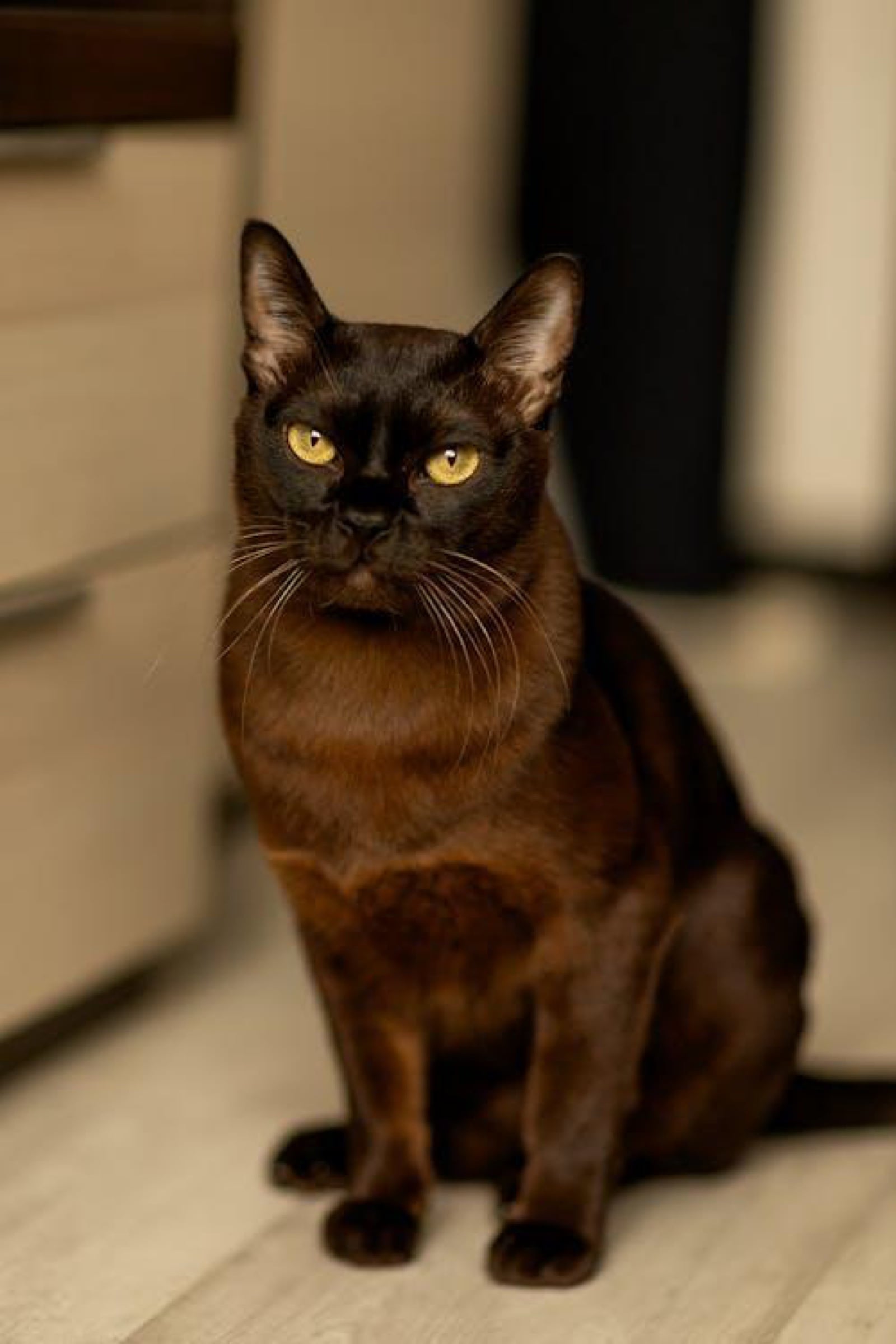
The Burmese is one of the more underrated picks for allergic households on the major hypoallergenic shortlists — denser-bodied than a Siamese, calmer than an Oriental Shorthair, with a short satin coat that lies very flat against the body and sheds remarkably little. Owners report fewer allergic reactions than with typical domestic cats, attributed mostly to the low dander load that comes with minimal shedding. There is no per-breed Fel d 1 study. What the breed has instead is a meaningfully active r/burmesecats community of allergic owners sharing concrete coping strategies — bathing schedules, bedroom rules, HEPA setups.
Read the full review →
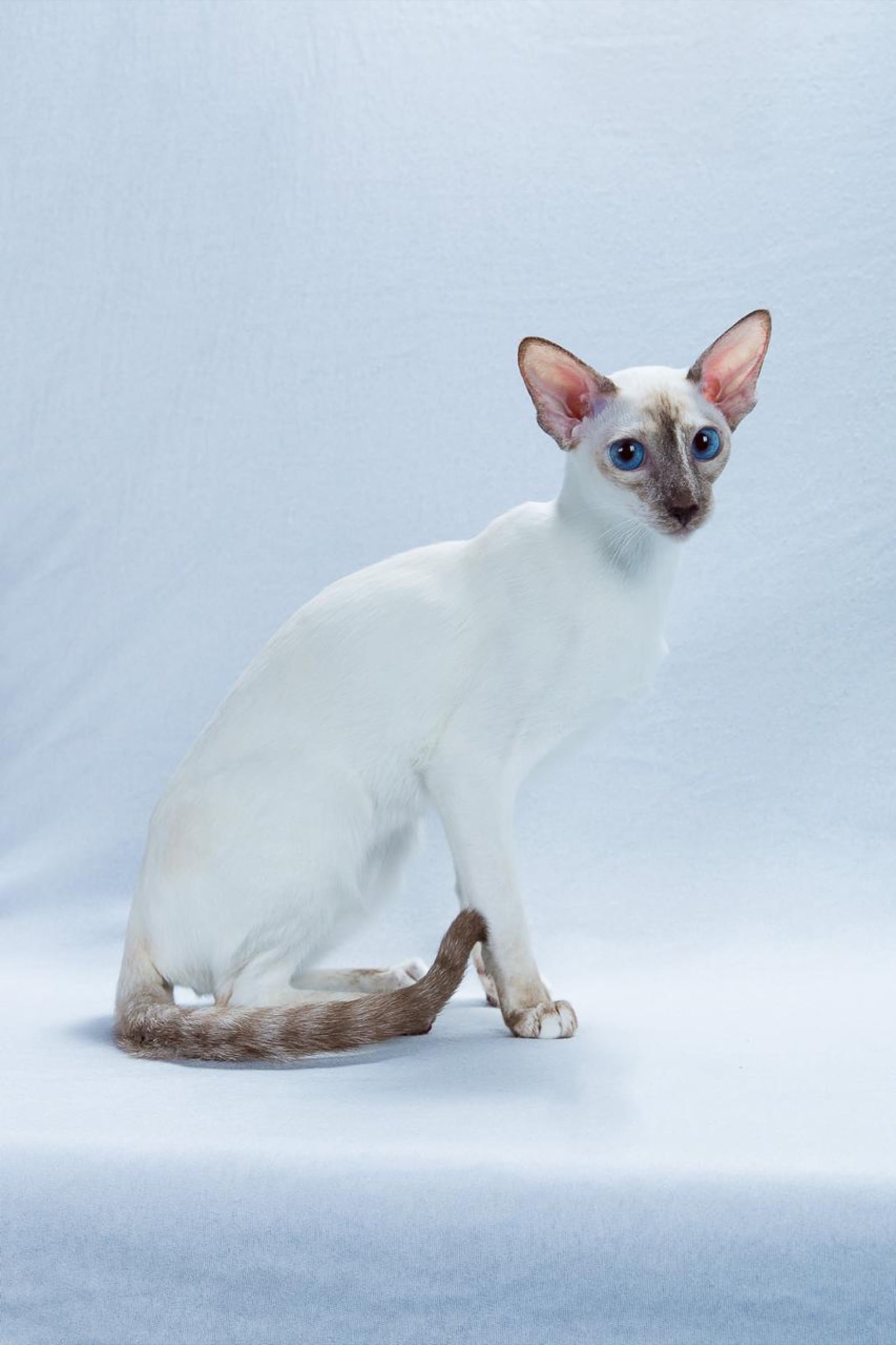
The Colorpoint Shorthair is, in the U.S. CFA registry, the Siamese — except in colours and patterns the Siamese isn't allowed to be (red point, cream point, lynx point, tortie point). Same body, same single coat, same voice. Outside the U.S., this cat is just called 'Siamese' and the distinction doesn't exist. We list it as a separate breed because that's how it's registered in the largest U.S. cat registry, and because allergy-shopping readers do encounter it on hypoallergenic listicles. The allergy profile is identical to the Siamese: single-coat, low-shedding, no breed-specific Fel d 1 study, an environmental-load benefit rather than a measured reduction.
Read the full review →