HypoallergenicCat

short hair · Medium · Origin: Canada/USA (1960s-70s, Siamese × Burmese cross)

Tonkinese

Reviewed by HypoallergenicCat Editors · Updated May 2026 · 8 min read

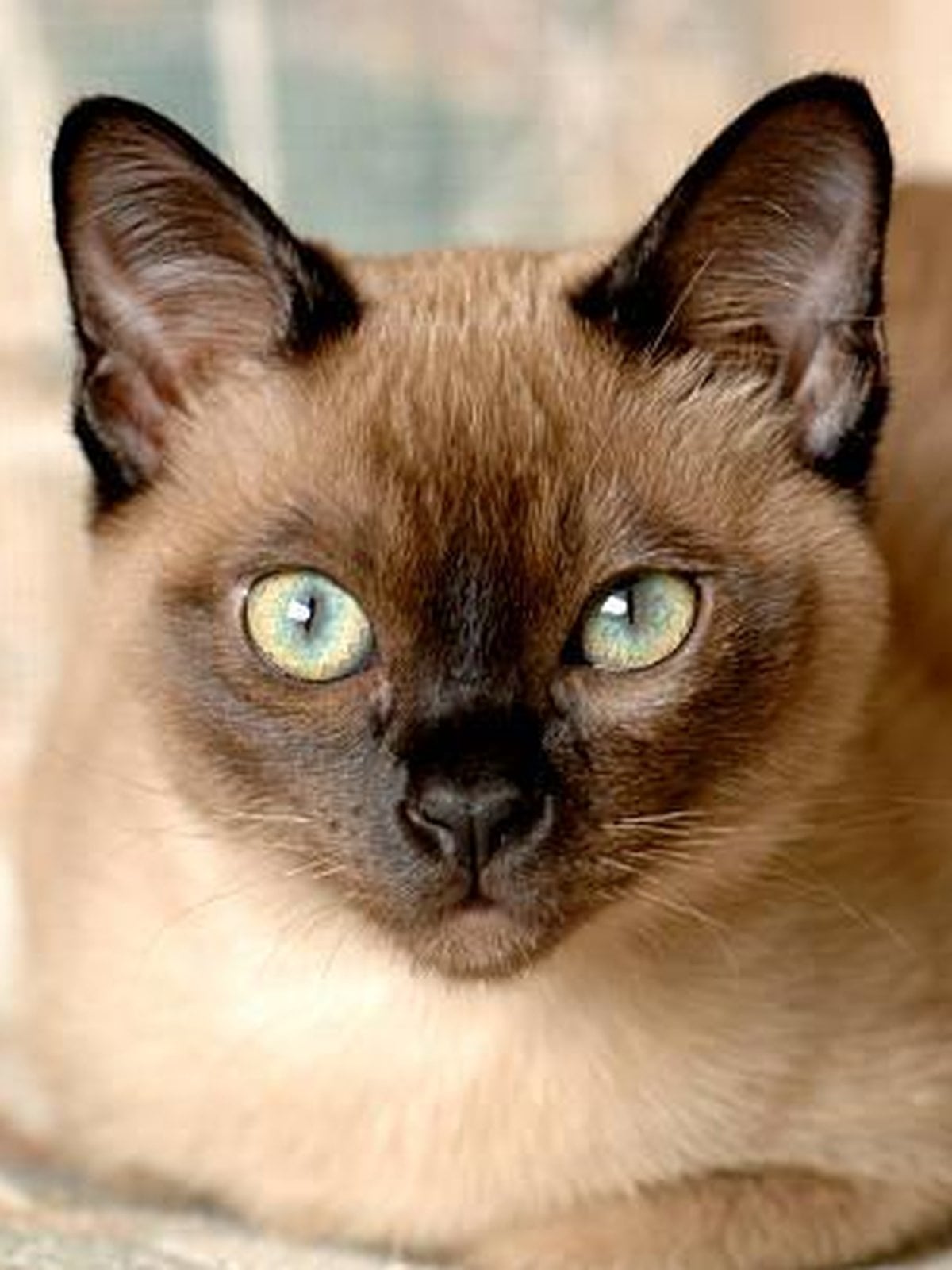
The Tonkinese is, biologically, what you get when you cross a Siamese with a Burmese — and behaviourally, that's exactly the cat you end up with. Less hoarse than a Siamese, more active than a Burmese, with a short mink-like single coat that sheds very little. Tonks are on most hypoallergenic shortlists because they inherit the low-shedding Siamese/Burmese coat structure, but as with every other Tier 2 breed on this site, the supporting evidence is structural (less hair = less dander in your home) rather than measured (no per-breed Fel d 1 study). Where Tonks differ from their parent breeds: they're often called the most well-adjusted of the Siamese family — chatty without being loud, attached without being clingy, energetic without being destructive.

At a glance

Tonkinese — by the numbers

Allergen level

4 / 10

Grooming needs

2 / 10

Energy level

8 / 10

Trainability

8 / 10

Price range

$800 – $1,800 USD

Low SheddingAffectionateTrainable: HighGood with Kids

The science

Why this breed is easier on allergies

The Tonkinese inherits the single-coat structure of both parent breeds (Siamese and Burmese), which dramatically reduces shed hair compared with double-coated cats. Less hair released into the environment means less Fel d 1-coated dander on surfaces and in the air. The breed produces the allergen normally in saliva and sebaceous glands; the benefit is reduced environmental load. The Tonkinese has not been measured individually in published allergy research, but its coat structure places it in the same low-shedding family as the Siamese and Burmese, where the mechanism is well established.

Reduced shedding lowers Fel d 1 deposition in the home environment, even when source-level allergen production is unchanged. The Tonkinese has not been measured individually, but inherits the single-coat structure of both parent breeds, which the broader hypoallergenic-breed literature consistently identifies as the practical mechanism behind reduced household allergen load.
https://pmc.ncbi.nlm.nih.gov/articles/PMC4072467/

From the community

What real owners actually say

u/Kittentanz (Siamese & Tonkinese breeder, Texas) · r/kittentanz.com · 2023

Most of the people who inquire about our Balinese kittens are looking for a low allergy cat for their families with cat allergies. So, consider Siamese and Tonkinese and even the Burmese as choices when looking for a low allergy kitten — they all have the same low-shedding single coat.
View original on Reddit

u/Hypoallergenic Homes — Tonkinese profile · r/hypoallergenichomes.com · 2024

Tonkinese cats are commonly listed as a hypoallergenic option for allergy sufferers because of their single, short coat and the low dander production reported by most owners. Like other 'hypoallergenic' breeds, this is not a guarantee — but for mild-to-moderate allergic households, the breed has a good track record.
View original on Reddit

u/honest_facebook_comment · r/Facebook hypoallergenic-cats group · 2024

You need to find a breeder and spend time with the cats/kittens. Asking online whether the breed is hypoallergenic for you is not an indicator of whether you specifically will react. Allergies are individual.
View original on Reddit

Living with one

Care, personality, and what to expect

Grooming

Minimal. A weekly rubber-mitt pass through the coat removes any loose hair. Bathing every 4-6 weeks reduces allergen load and is well-tolerated if introduced young. The short, close-lying coat doesn't mat or tangle.

Personality

Often described as the most well-balanced of the Siamese family. Chatty without the Siamese hoarse-throat insistence, energetic without the Bengal-level intensity, affectionate without the Burmese velcro-clinginess. Tonks learn tricks quickly, walk on harness with patience, and bond strongly to specific household members.

Health

Long-lived (12-16 years common). Watch for amyloidosis (Siamese-family inheritance), hypokalemia (Burmese-family inheritance), and gingivitis. Reputable breeders screen for both amyloidosis and hypokalemia. Generally fewer extreme-conformation issues than either parent breed.

Living space

Apartment-friendly with vertical climbing space. Tonks handle being alone better than Siamese or Burmese, but still strongly prefer a companion cat. Two Tonkinese together is the most common recommendation from established breeders.

Recommended products

What we'd buy for a Tonkinese owner

HypoallergenicCat is reader-supported. We earn a small commission from purchases made through these links — at no extra cost to you.

Cat food

Purina Pro Plan LiveClear

The only cat food clinically proven to reduce allergens in cat hair and dander by an average of 47% in 3 weeks.

$35 / 7 lb bag

Affiliate link pending

Air purifier

Levoit Core 400S Air Purifier

True HEPA filter that captures 99.97% of airborne particles including dander, dust, and pollen. Quiet enough for the bedroom.

$219 / Up to 403 sq ft

Affiliate link pending

Allergy care

Allerpet/C Cat Dander Remover

Wipe-on solution that binds to dander. Apply weekly to cut allergen exposure noticeably, no bath needed.

$18 / 12 oz

Affiliate link pending

Where to adopt

Finding a Tonkinese

We recommend reputable breeders who allow in-person visits and rescue organizations. Avoid kitten mills and breeders who won't let you meet the parents.

FAQ

Common questions

Are Tonkinese cats hypoallergenic?

Not strictly — they produce Fel d 1 normally. They are widely listed as a low-allergy option because they inherit the single-coat, low-shedding structure of both parent breeds (Siamese and Burmese), which keeps less allergen-coated dander loose in your home. No per-breed Fel d 1 study has measured Tonks specifically. Many allergic households do well with the breed; some still react. Do a multi-hour in-person visit before committing.

How is a Tonkinese different from a Siamese?

Body type and temperament are intermediate between Siamese and Burmese. The Tonkinese is more compact and muscular than a Siamese, less round than a Burmese; their voice is chatty but less hoarse and persistent than the classic Siamese yowl; their energy is high but more focused, less frantic. Eye colour is the breed's signature — most Tonks have aqua/turquoise eyes, distinct from Siamese deep blue or Burmese gold.

Can a Tonkinese be an only cat?

It can work, but most established breeders strongly recommend a second cat — ideally another Tonk or a Siamese-family breed. Tonks are intensely social and pair-bond exceptionally well. A single Tonk in an empty-most-of-the-day household will likely develop behaviour issues.

How much does a Tonkinese cost?

From a reputable CFA/TICA breeder, $800-$1,800 for a pet-quality kitten. Show-quality and rarer colours run higher. The breed has known amyloidosis and hypokalemia inheritance — legitimate breeders test both lines. Avoid 'breeders' under $500 with no documented health screening.

Not sure if this is your breed?

Take the 5-question quiz.

Find my match →

← back to all breeds